Application #2
Protecting The African Spurred Tortoise
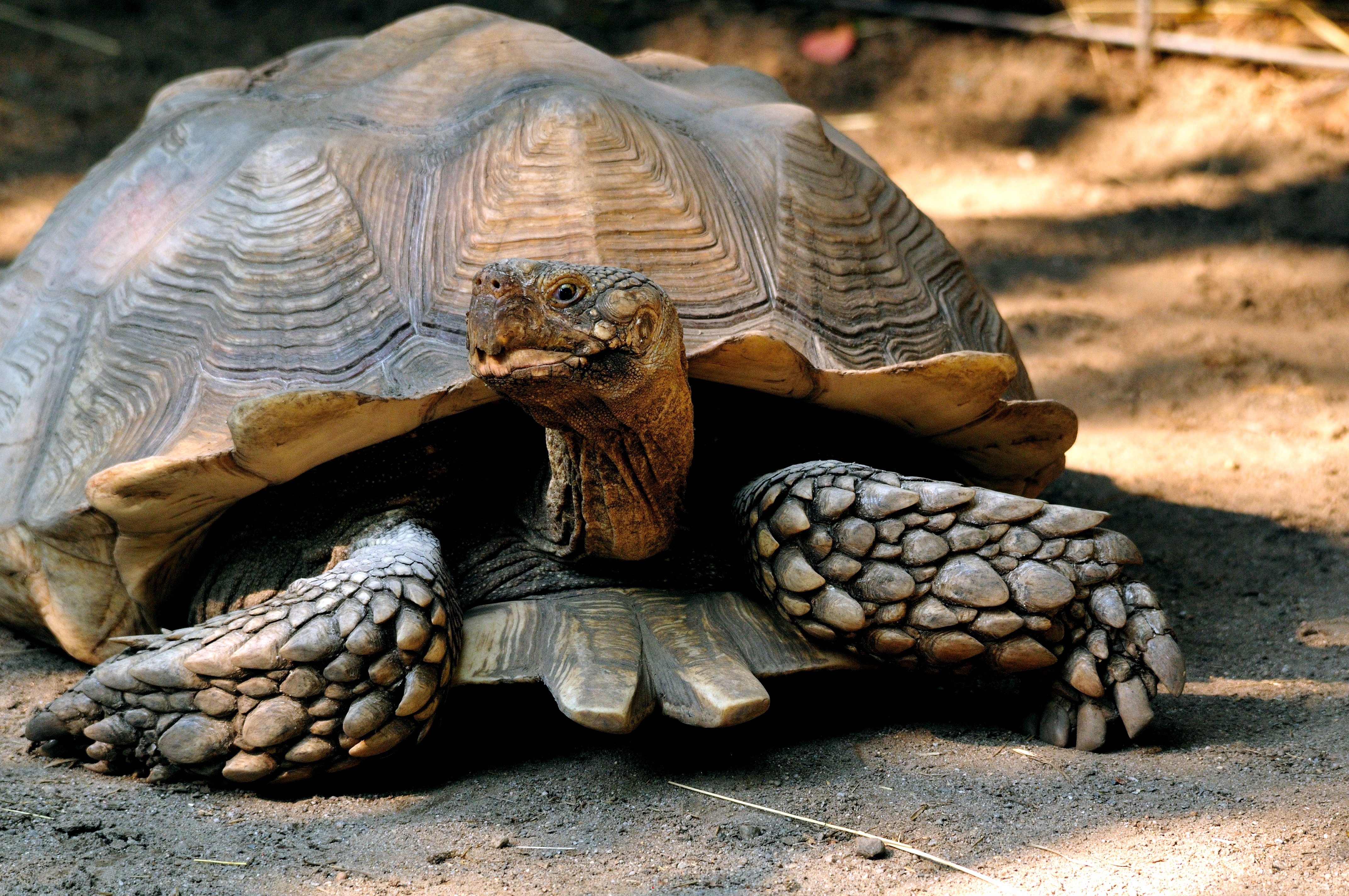
African Spurred Tortoise
Grasslands are one of their main habitats where it "ranges from 10-40 inches of rain yearly."(Nunez) and "Temperatures range from -5 degrees Celsius (23F) to 20 degrees Celsius (68F)."(Wikipedia) They have been recorded to hit as low as -4 degrees Fahrenheit and as high as 86 degrees Fahrenheit.

Grasslands
Grasslands primary producers include grass, and shrubs which the tortoises mostly rely on, "in the wild grasses, flowers, cacti, and weeds" (Animalia) . Some of the cool producers exclusive to this land include "Blazing rods, Goldenrods, Asters, Milkweed, Purple Coneflower" (Harness) just to name a few. The Purple Coneflower is shown below.
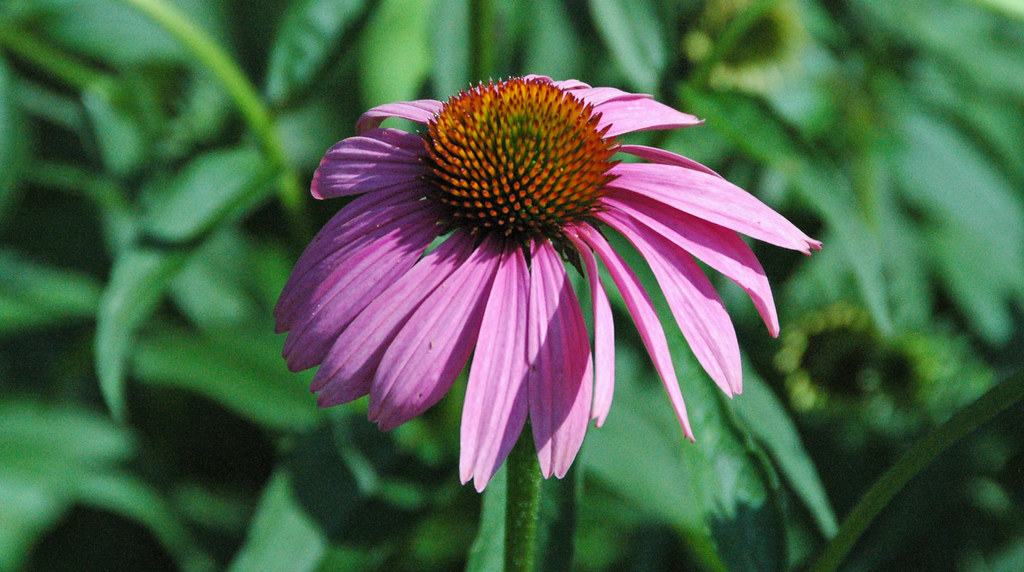
Purple Coneflower
The biome is important to the tortoise as it allows for them to live with their needs of food and supports their needs to live. The temperature is where they want it to be along with the food that grows there that supports them. The ground allows them to make burrows which "The species makes extensive use of deep and long burrows. (up to 15 meters long)" (IUCN) Along with the long grass that tends to be in the habitat that allows them to hide from secondary and tertiary consumers. Some of those tertiary consumers include "African Wild Dog, Jaguars, and Sunda Tigers."(Wikipedia) The soil in the land is very fertile and includes some of the best nutrients in the world. The upper layers are held together by roots and if decaying allow a lot of nutrients to the producers that are feeding off of the ground.

African Spurred Tortoise Leaving His/Her Den
One of the dangers that the African Spurred Tortoise faces along with many other animals all over the world is climate change. Climate change has affected every habitat all over whether that's changing the temperature, extinction of other species, and a surge in Co2. "Grasslands have suffered huge losses to organic carbon due to soil disturbances, vegetation degradation, and fires." (Wikipedia) Because of the r drier climate due to climate change the fires have been even more out of control and destroying the habitat. Because of climate change Grasslands have seen less rain as I just stated and because of that the nutrients that the biome thrived off of has been lessened. This also stems to the lack of water in these biomes as it is not raining water surfaces there are drying up. Along with the surge of Co2 the plants in the area are growing at a much faster rate using more water and drying up the land even more than it already was. Because of the plants growing so fast they tend to out-show the other plants making them unable to grow and causing more extinction among plants. Finally the temperature change makes a difference on what organisms can live there as if it becomes too hot for the organisms they have to leave and find a new place to live.

A Possible Result of Climate Change
At Keene the problem of climate change exists. Almost everywhere people are putting things in the atmosphere that isn't supposed to be there and is removing the O2 layer surrounding the planet shielding it from the sun. The temperature is changing along with other stuff from pollution. Keene is putting things into the earth from things like power stations, factories, and landfill just to name a few. The citizens in Keene can do different things to help prevent this from happening. For the landfill problem we can start using recyclable materials (and actually recycling them) and use less trash items and more reusables. For power and factories we can start using renewable energy like solar panels and windmills which I know are being used a little outside Keene off of route 9. I also learned recently that places are using artificial fertilizer that is reducing the amount of carbon in soil. One of the ways we can fix this is by having a more plant based diet as there will be less room for animals to be housed resulting in less artificial fertilizer being used.


.jpg)

I liked the first three pictures because it gave me a good sense of the African Spurred Tortoise's environment.
ReplyDeleteI like the visuals and the depth that you went into the research for this animal. One thing thought is they way you sited your sources for your pictures and research. If you look back, the way to site sources is by doing a brief description for your image then stating who the photo is by then linking the URL to the name using the toolbar. Hopefully this comment helps.
ReplyDelete